

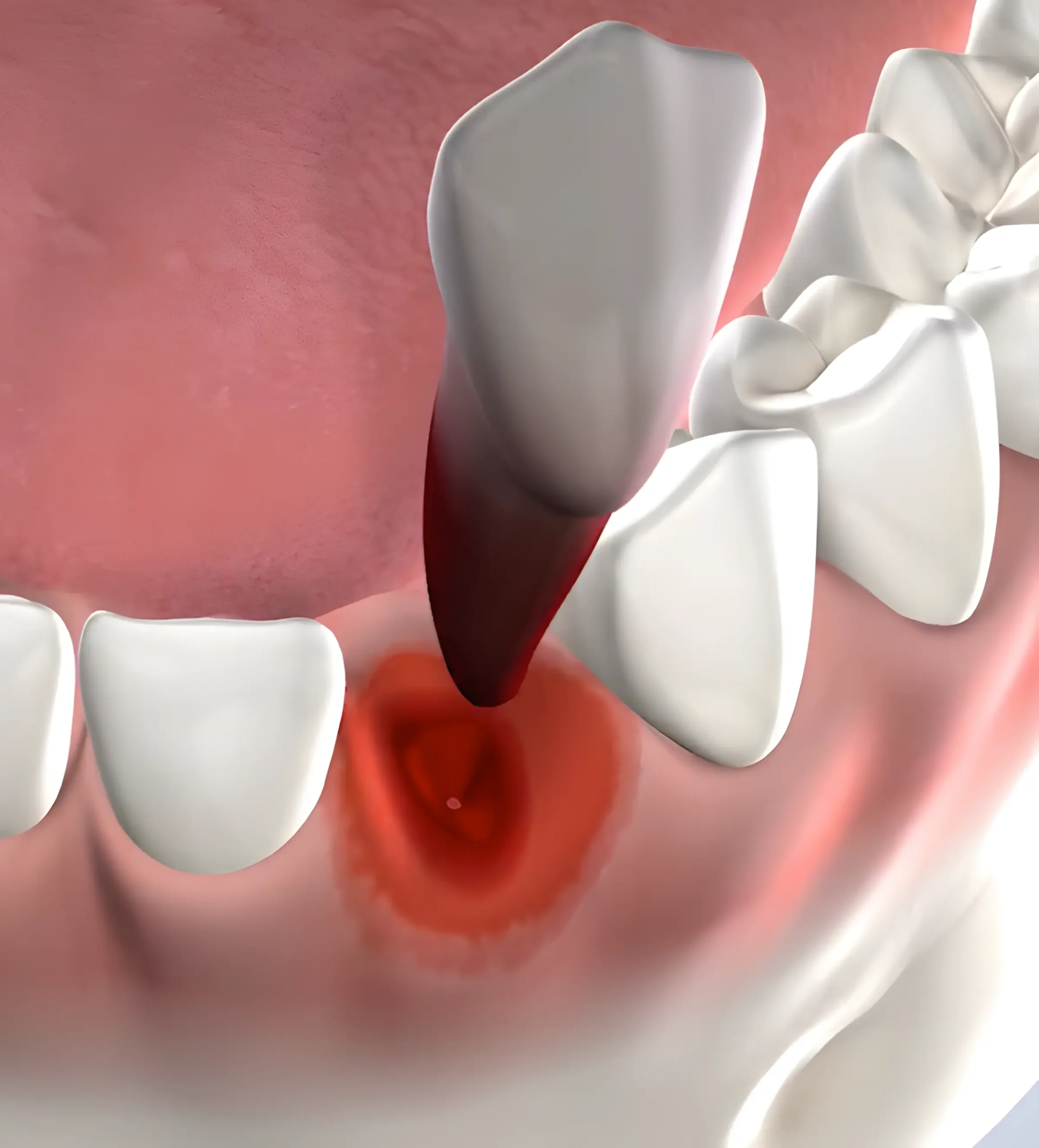
A tooth extraction may be the best way to relieve discomfort and protect your oral health when a tooth is severely damaged, infected, or can’t be predictably restored.
At El Paso Oral Surgery, we provide tooth extractions in El Paso focused on your comfort, surgical precision, and planning for what comes next. Whether you need a simple extraction or a more complex surgical extraction, our team will evaluate your needs and explain your options. Our goal is for you to feel confident about your care.
When appropriate, we can also talk with you about replacing the extracted tooth, including with dental implants. We can also discuss whether bone grafting may help preserve the area for a future replacement tooth.
Do I Need a Tooth Extracted?
You may need a tooth extracted when it can’t be saved or when leaving it in place could harm your oral health. Whenever possible, we prefer to preserve your natural tooth.
When Tooth Removal May Be Recommended
A tooth extraction may be recommended for:
- Severe decay or infection: When decay or infection has badly damaged a tooth that can’t be predictably restored, removal may protect the surrounding structures.
- Broken or damaged teeth: A tooth broken below the gumline or badly damaged by trauma may need surgical removal when it can’t be restored.
- Advanced gum disease: Gum disease can damage the tissue and bone that support your teeth. In advanced cases, very loose teeth may need to be removed.
- Crowding or orthodontic treatment: In certain cases, removing a tooth may be part of an orthodontic treatment plan when more space is needed.
- Problematic or impacted teeth: Teeth that can’t come in normally, or that threaten nearby teeth or your oral health, may need surgical extraction.
If you have severe tooth pain, swelling, signs of infection, or a damaged tooth, an evaluation can show whether extraction is needed. It can also help you understand your treatment options.
What Happens During a Tooth Extraction?
How We Plan Your Care From Start to Finish
Every tooth extraction starts with a careful evaluation and a plan built around your needs. We examine the affected tooth and the area around it.
Imaging helps us see the tooth’s position, its roots, the surrounding bone, and nearby anatomy before we plan treatment. This imaging may include 3D CBCT scans, a detailed 3D X-ray of your mouth and jaw.
Depending on your needs, you may have a simple or surgical tooth extraction. Your surgeon may also discuss anesthesia or sedation options, such as comfort-focused IV sedation, to help keep you comfortable throughout treatment.
Before your procedure, our team will explain what to expect and answer your questions in English or Spanish. You can move forward feeling informed and prepared.
What Happens After a Tooth Is Removed?
How Can You Protect Your Long-Term Oral Health?
After a tooth is removed, the next step is planning how to protect your smile, bite, and jawbone over time. Removing the problem tooth is only one part of your care.
Depending on where the tooth was and your individual needs, your plan may include bone grafting or dental implant placement. These options can help prepare for or provide a long-term replacement tooth.
Our team will walk you through your options. We’ll help you understand which approach fits your oral health and your future smile.
What Can You Expect During Tooth Extraction Recovery?
Some swelling, tenderness, and short-term changes to your diet and activity are common after a tooth extraction. After your procedure, you’ll receive detailed instructions for caring for the extraction site and supporting a healthy recovery.
Following your post-operative instructions carefully can help protect the site as it heals. Our team will also explain which symptoms are expected and when to call our office with concerns.