

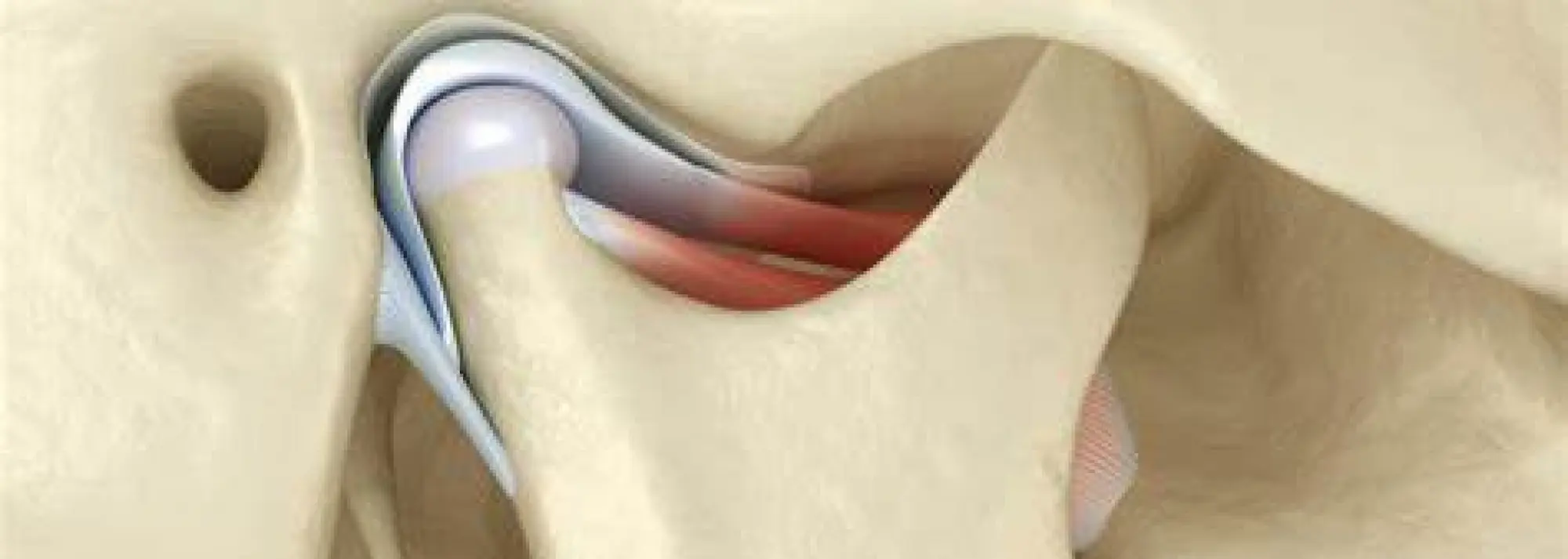
Jaw pain, clicking, stiffness, or trouble opening your mouth can make eating, speaking, and even yawning uncomfortable. These symptoms may be related to a TMJ disorder. The temporomandibular joint (TMJ) connects your lower jaw to your skull and lets your jaw move.
At El Paso Oral Surgery, we evaluate patients with TMJ pain, jaw discomfort, limited jaw movement, and other symptoms of temporomandibular disorders (TMD). TMJ symptoms can have many causes. That’s why care begins with understanding what is behind your discomfort and choosing the most appropriate next step.
What Is a TMJ Disorder?
A TMJ disorder is a condition that affects the jaw joints, chewing muscles, or the structures around them. Doctors also call this group of conditions temporomandibular disorders (TMD).
You have a temporomandibular joint on each side of your face, just in front of your ears. Together with the surrounding muscles and ligaments, these joints let your jaw open, close, and move side to side.
TMJ symptoms may be occasional discomfort, persistent pain, or limited jaw function. Not every clicking or popping jaw needs treatment. An evaluation can help determine whether your symptoms point to an underlying problem that needs attention.
Common Symptoms of TMJ Disorders
Could My Jaw Pain Be TMJ-Related?
TMJ disorders can show up differently from one patient to the next. Common symptoms may include:
- Jaw pain or tenderness
- Pain around the jaw joint or in front of the ear
- Clicking, popping, or grinding sounds when moving the jaw
- Difficulty or discomfort when chewing
- Limited ability to open the mouth
- A jaw that temporarily locks open or closed
- Facial pain or discomfort
- Changes in the way the upper and lower teeth fit together
- Jaw stiffness or muscle tightness
- Pain that worsens with jaw movement
Headaches, ear discomfort, and facial pain can have many possible causes. A comprehensive evaluation is important before assuming the TMJ is responsible.
What Causes TMJ Disorders?
Understanding the Source of Your Symptoms
There isn’t always one identifiable cause of a TMJ disorder. In some cases, several factors work together to cause symptoms.
TMJ problems may be associated with:
- Injury or trauma to the jaw
- Arthritis affecting the joint
- Changes in or displacement of the joint’s articular disc (the disc inside the jaw joint)
- Chronic clenching or grinding of the teeth
- Excessive strain on the jaw muscles
- Structural abnormalities involving the joint
- Certain bite or jaw conditions
Finding the source of your symptoms helps determine which treatment approach may be right for you.
How Are TMJ Disorders Diagnosed?
TMJ disorders are diagnosed through a conversation about your symptoms and medical history, followed by a hands-on exam. We examine your jaw movement, bite, joints, and surrounding muscles.
Depending on your symptoms, we may recommend imaging to get a clearer look at the jaw joint, bone, or surrounding structures.
TMJ disorders can involve different tissues and have different causes. An accurate diagnosis is an important first step before any treatment begins.
TMJ Treatment Options
Treatment Starts With the Most Appropriate Approach
TMJ treatment depends on the cause and severity of your symptoms. Many patients can be managed with conservative, nonsurgical treatment. Surgery is generally reserved for specific joint conditions when other appropriate treatments have not provided enough relief.
Depending on your diagnosis, recommendations may include:
- Changes in jaw habits
- Medications
- Oral appliances
- Physical therapy
- Other nonsurgical approaches
More advanced treatment may be considered when significant structural damage or disease affects the joint. Our goal is to understand the underlying problem and help you find the appropriate path forward.
Does TMJ Pain Require Surgery?
Not Every TMJ Disorder Needs Surgical Treatment
No. Many patients with TMJ symptoms do not require surgery.
Surgical treatment may be considered for certain patients with significant structural joint problems or persistent dysfunction. It may also be an option when symptoms have not responded to appropriate nonsurgical care.
If surgery is being considered, a thorough evaluation can help determine whether a surgical approach is appropriate. It also clarifies which treatment options may be available to you.
Frequently Asked Questions
Does TMJ Pain Always Require Surgery?
No. Many patients with TMJ symptoms do not require surgery and can be managed with conservative, nonsurgical treatment. Surgery is generally reserved for specific joint conditions. It may be considered for significant structural joint problems, persistent dysfunction, or symptoms that have not responded to appropriate nonsurgical care.
Is Jaw Clicking or Popping Always a Problem?
Not always. Not every clicking or popping jaw requires treatment. Clicking, popping, or grinding sounds when moving the jaw are common TMJ symptoms. A TMJ evaluation in El Paso can help determine whether your symptoms point to an underlying problem that needs attention.
How Is a TMJ Disorder Diagnosed?
Diagnosis typically begins with a discussion of your symptoms and medical history. Next comes an examination of your jaw movement, bite, joints, and surrounding muscles. Depending on your symptoms, imaging may be recommended to better evaluate the jaw joint, bone, or surrounding structures. An accurate diagnosis is the first step before treatment.
What Causes TMJ Disorders?
There isn’t always one identifiable cause, and several factors may contribute. TMJ problems may be associated with jaw injury or trauma, arthritis, or changes in the joint’s disc. Chronic clenching or grinding, strained jaw muscles, structural joint abnormalities, and certain bite or jaw conditions can also play a role