

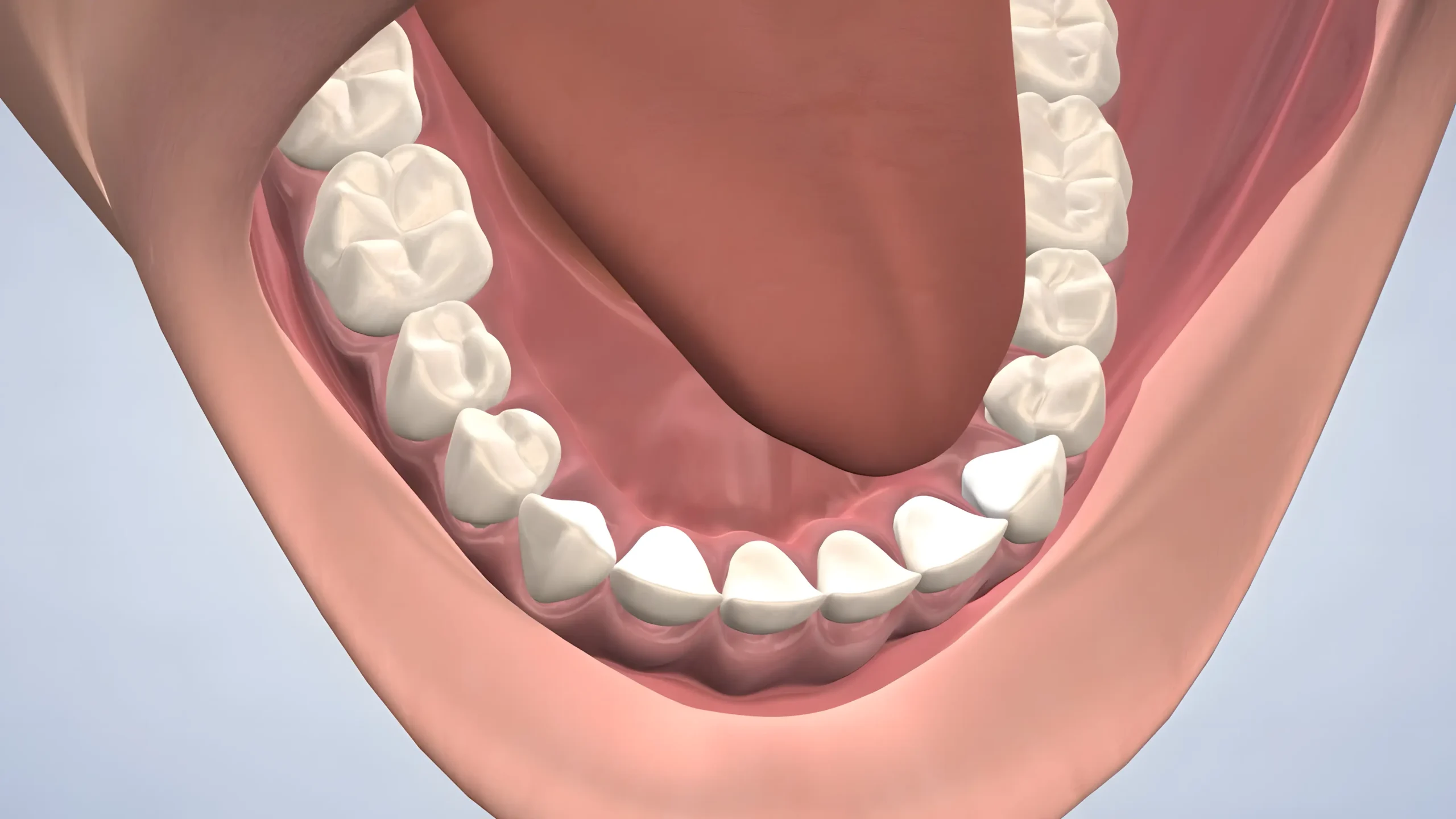
Most changes inside the mouth are harmless. Still, a sore, lump, discoloration, or other change that doesn’t go away deserves a closer look.
At El Paso Oral Surgery, our oral pathology care covers the mouth, jaws, salivary glands, and nearby oral and facial tissues. Our oral surgery team checks persistent or suspicious changes and decides whether more testing or an oral biopsy makes sense. Then we walk you through the next steps in your care.
Early evaluation matters most when an area lingers, changes over time, or comes with other worrying symptoms.
What Is Oral Pathology?
Oral pathology is the area of care that focuses on diseases and abnormal conditions of the mouth, jaws, and surrounding structures.
Many changes in the mouth are benign and may clear up on their own. Others need a closer look to find the cause. Based on what we find, we may recommend imaging, testing, or a biopsy to confirm a diagnosis and decide whether you need treatment.
Our goal is to give you clear answers and keep the process as simple and comfortable as possible.
Which Signs and Symptoms Should Be Evaluated?
When Should I See an Oral Surgeon?
You should see an oral surgeon when a change in your mouth persists or gets worse. An abnormal area doesn’t automatically mean something serious is wrong. Signs to watch for include:
- A mouth sore that doesn’t heal
- Red or white patches inside the mouth
- A lump, bump, thickening, or unusual growth
- Unexplained swelling of the mouth, face, or jaw
- Ongoing pain or tenderness
- A cyst or lesion of the jaw
- Trouble chewing or swallowing
- Lasting hoarseness or changes in your voice
- Unexplained numbness of the lips, tongue, or mouth
- Changes involving the salivary glands
- Unexplained bleeding in the mouth
If you notice a lasting or unusual change, an oral pathology evaluation can show what it is and whether you need more care.
What Conditions Does Oral Pathology Evaluate?
Oral and maxillofacial surgeons evaluate a wide range of changes in the mouth and face. These include:
- Oral lesions and lasting mouth sores
- Cysts of the mouth or jaw
- Benign growths and tumors
- Suspicious changes in oral tissue
- Salivary gland conditions
- Certain infections of the oral tissues
- Abnormal changes in the jawbone
- Precancerous or potentially cancerous lesions
- Other unusual changes of the mouth and nearby tissues
Many oral conditions look alike. That’s why an accurate diagnosis comes first, before any decision about treatment.
What Is an Oral Biopsy?
Getting the Answers You Need
An oral biopsy is a test that helps diagnose an area that looks unusual or can’t be identified by examination alone.
During a biopsy, we remove a small sample of tissue. In some cases, we remove the entire abnormal area. A pathologist then examines the tissue under a microscope, and the results show whether you need more treatment or follow-up.
Our team will explain why we recommend a biopsy and what to expect during the procedure. We’ll also tell you what happens once your results are ready.
Could a Suspicious Oral Lesion Be Oral Cancer?
Early Evaluation Matters
A suspicious oral lesion does not necessarily mean cancer. An exam and, when appropriate, a biopsy can find the cause and guide your next step.
Early oral cancer can sometimes look like a common or harmless condition. That’s one reason to have lasting changes in your mouth checked instead of waiting.
If you need more specialized treatment, our team can help coordinate the right care for your diagnosis.
Oral Pathology FAQs
Is Every Mouth Sore or Lump a Sign of Something Serious?
No. Many changes in the mouth are benign and may clear up on their own. Still, a sore, lump, or discoloration that doesn’t heal should be checked. Early evaluation matters most when an area persists, changes over time, or comes with other symptoms like swelling, numbness, or bleeding.
Why Would an Oral Surgeon Recommend an Oral Biopsy?
An oral biopsy may be recommended when an area looks unusual or can’t be diagnosed by examination alone. We remove a small sample, or sometimes the entire area, for a pathologist to examine under a microscope. The results show what the tissue is and whether you need treatment or follow-up.
Does a Suspicious Oral Lesion Mean I Have Cancer?
Not necessarily. A suspicious lesion does not automatically mean cancer. Early oral cancer can look like a common, harmless condition, so lasting changes deserve a closer look. An exam and, when appropriate, a biopsy help find the cause. If you need specialized treatment, our team can help coordinate your care.
What Areas Does Oral Pathology Care Cover?
Oral pathology care covers diseases and abnormal conditions of the mouth, jaws, salivary glands, and nearby oral and facial tissues. That includes oral lesions, cysts of the mouth or jaw, and benign growths and tumors. It also includes salivary gland conditions, certain infections, jawbone changes, and precancerous or potentially cancerous lesions.