

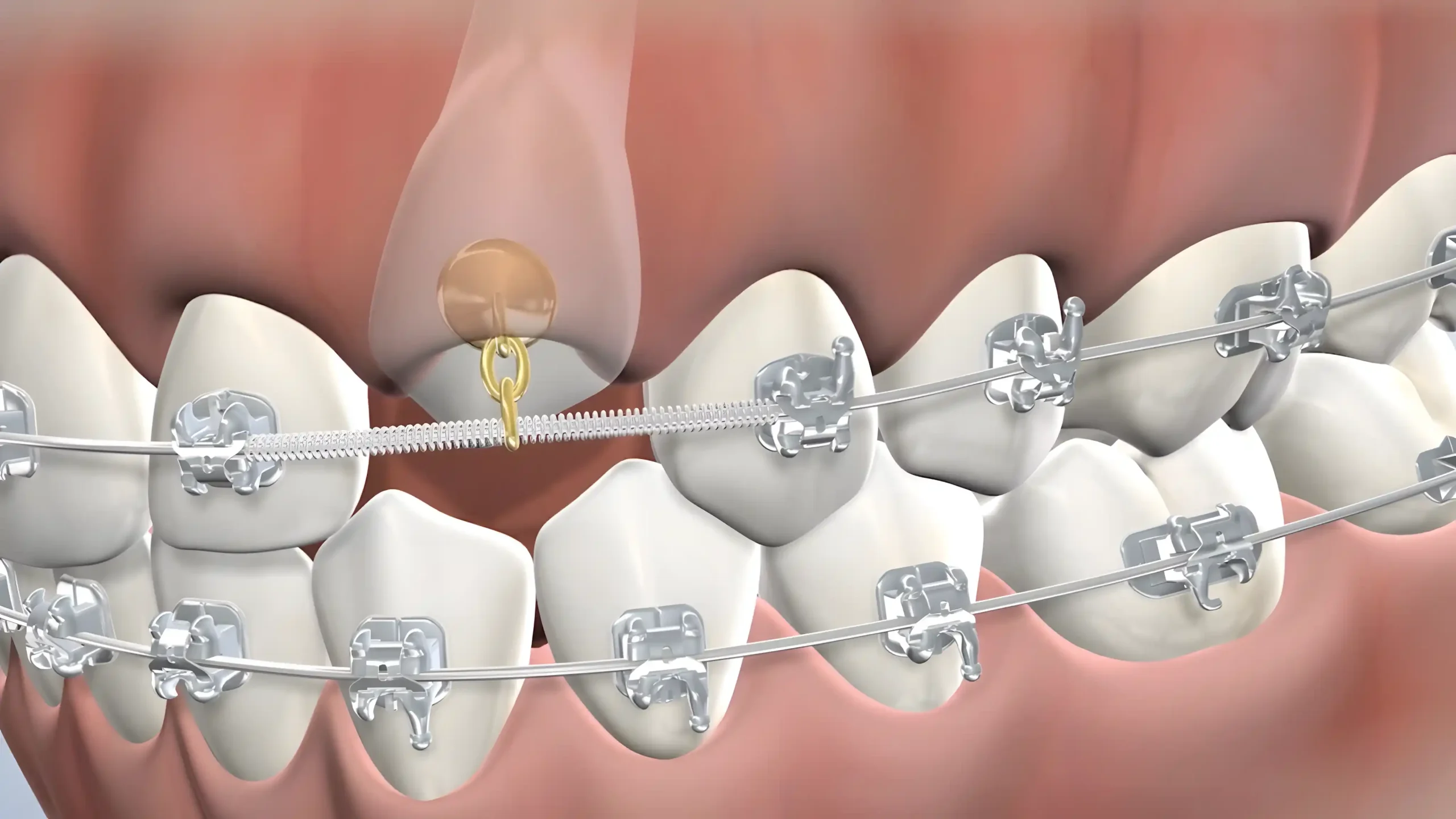
At El Paso Oral Surgery, we treat impacted canines in El Paso, TX, working closely with your orthodontist to guide the tooth into its proper place. Our goal is to help the canine erupt where it belongs in the dental arch.
Canine teeth play an important role in your bite, your smile, and overall dental alignment. When a permanent canine stays partly or fully trapped beneath the gums or bone, it is called an impacted canine.
When appropriate, treatment may involve exposure and bonding. This procedure combines oral surgery and orthodontic treatment to create a path for the impacted tooth to erupt.
What Is an Impacted Canine Tooth?
An impacted canine is a permanent canine tooth that cannot erupt normally into the mouth. It stays trapped when something blocks its path or limits its room to grow in.
Common reasons a canine becomes impacted include:
- Not enough space in the dental arch
- The tooth developing at an abnormal angle
- Another tooth blocking its path
- Other anatomical factors that interfere with eruption
The upper canines, sometimes called eye teeth, matter because of their place in the smile and their role in guiding the bite. Early evaluation can show where an impacted canine sits and whether treatment is needed to bring it into alignment.
Why Treat Impacted Canines Early?
Early Evaluation Can Create More Treatment Options
Treating an impacted canine early matters because the tooth can become more difficult to reposition as development progresses. Impacted canines may not cause noticeable symptoms, so they are often discovered during routine dental or orthodontic imaging.
Leaving an impacted canine untreated may increase the risk of problems with the tooth itself or nearby structures, including:
- Damage to the roots of nearby teeth
- Cyst formation around the impacted tooth
- Changes in the position of neighboring teeth
- Difficulty achieving proper dental alignment
- Gum or periodontal concerns
- Discomfort or swelling in some cases
- The impacted tooth becoming more difficult to reposition as development progresses
The best treatment depends on the patient’s age, tooth position, available space, root development, and overall orthodontic treatment plan.
How Does Exposure and Bonding Work for Impacted Canines?
Oral Surgery & Orthodontics Working Together
Exposure and bonding is one of the most common treatments for an impacted canine. Your orthodontist and oral surgeon work together to uncover the tooth and gently guide it into place.
This treatment is also called an expose-and-bond procedure or surgical exposure and bonding. Here is how the process typically works:
- Your orthodontist creates space. The orthodontist makes adequate room in the dental arch for the impacted canine.
- Your oral surgeon exposes the tooth. The surgeon carefully exposes the impacted tooth beneath the gum. When appropriate, a small orthodontic bracket and chain are attached to it.
- The surgical area begins to heal. Once healing is underway, your orthodontist starts using gentle orthodontic forces.
- The canine moves into position. Over time, the tooth moves carefully through the surrounding tissues and into alignment with the rest of your smile.
Hear from patients who have trusted El Paso Oral Surgery with their care.
What Should You Expect From Impacted Canine Surgery?
Impacted canine surgery starts with careful imaging and a plan shared with your orthodontist. You will know what to expect before, during, and after treatment.
Before surgery, we evaluate the impacted tooth and surrounding structures using appropriate dental imaging. When exposure and bonding is recommended, we coordinate your treatment plan with your orthodontist.
Our team will explain the procedure and what to expect during recovery. We will also review anesthesia or sedation options based on your individual needs, in English or Spanish.
After surgery, you will receive detailed instructions for caring for the surgical area while it heals. Your orthodontist then continues gradually moving the canine into position.
What Causes an Impacted Canine?
An impacted canine can develop when there is not enough space in the dental arch or the tooth grows in at an abnormal angle. Another tooth blocking its path, or other anatomical factors, can also keep it from erupting. Your dentist or orthodontist often finds it during routine imaging.
Does an Impacted Canine Always Cause Symptoms?
No. Impacted canines may not cause noticeable symptoms, which is why they are often discovered during routine dental or orthodontic imaging. Even without symptoms, an untreated impacted canine may raise the risk of damage to nearby tooth roots, cyst formation, shifting teeth, and alignment problems.
What Is Exposure and Bonding?
Exposure and bonding, also called expose and bond, is a common treatment for impacted canines. Your orthodontist first creates space in the dental arch. Your oral surgeon then exposes the tooth beneath the gum and, when appropriate, attaches a small bracket and chain. Your orthodontist then gently guides the canine into position over time.
Who Is Involved in Impacted Canine Treatment?
Impacted canine treatment typically involves coordination between your orthodontist and oral surgeon. At El Paso Oral Surgery, we evaluate the tooth with appropriate dental imaging and coordinate your treatment plan with your orthodontist. After surgery, you receive detailed aftercare instructions, and your orthodontist continues moving the canine into its intended position.