

 Watch Video
A frenectomy is a minor procedure that releases a tight or restrictive frenum. At El Paso Oral Surgery, we evaluate tongue-tie, lip-tie, and other frenum concerns and recommend treatment only when it is right for you.
A frenum (or frenulum) is a small band of tissue. It connects parts of the lips and tongue to nearby tissues in the mouth.
In some patients, a frenum is unusually short, tight, or out of place. This can limit normal movement or add to other oral health concerns.
Our recommendations are based on each patient’s anatomy, symptoms, and functional needs. We want you to feel informed and confident at every step.
What Is a Frenectomy?
A frenectomy is a minor oral surgical procedure that releases a restrictive frenum. Two areas are most commonly evaluated:
- Lingual frenum: The tissue beneath the tongue that connects it to the floor of the mouth. When it greatly limits tongue movement, it is called tongue-tie, or ankyloglossia.
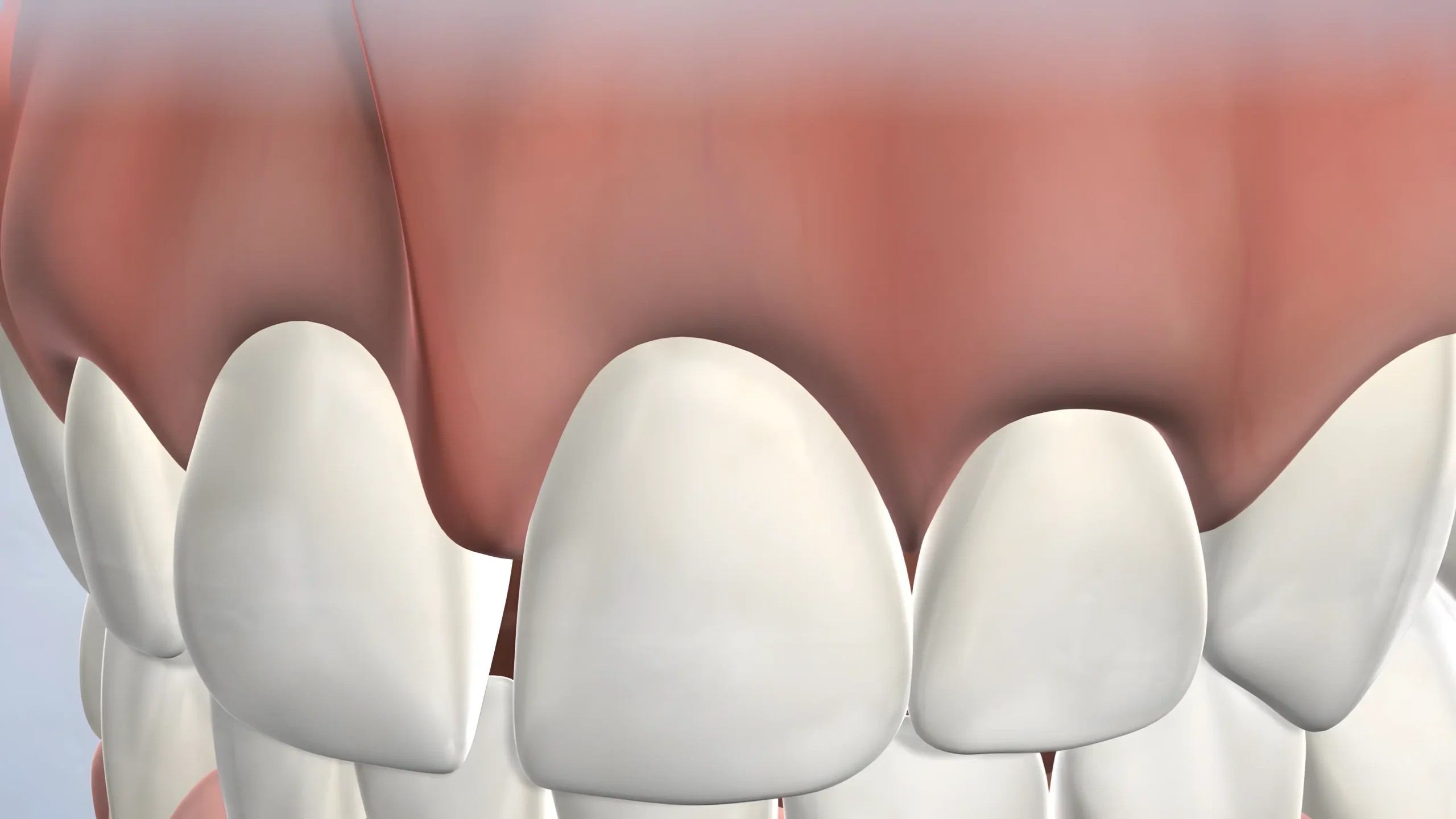
- Labial frenum: The tissue that connects the inside of the lip to the gums. Its size or position may sometimes add to dental, gum, or orthodontic concerns.
A prominent frenum alone does not mean treatment is needed. The decision depends on whether the restriction causes a real functional or oral health problem.
Reasons a Frenectomy May Be Recommended
When Does a Tongue-Tie or Lip-Tie Need Treatment?
A tongue-tie or lip-tie needs treatment only when the frenum causes a real problem. This may involve oral movement, dental development, gum health, orthodontic care, or other functional concerns.
Every patient is different. Depending on age and condition, an evaluation may help with:
- Restricted tongue movement
- Trouble extending or lifting the tongue
- Certain feeding concerns in infants, when a restrictive frenulum is a contributing factor
- Certain speech or oral-function concerns
- Gum tissue tension linked to the frenum
- Orthodontic concerns related to frenum position
- A lasting gap between the upper front teeth, when the frenum is a contributing factor
- Trouble keeping the affected area clean
These concerns can have more than one cause. Finding a tongue-tie or lip-tie does not automatically mean a frenectomy is necessary.
Tongue-Tie Treatment
How Is a Restrictive Tongue-Tie Treated?
When a tight lingual frenum causes a functional problem, a lingual frenectomy may be part of the treatment plan. Tongue-tie (ankyloglossia) happens when the tissue beneath the tongue limits its range of motion.
Some people with a tongue-tie have little or no trouble and may never need treatment. For others, limited movement may add to feeding, speech, or oral-function concerns.
Our evaluation focuses on how the tongue works, not just how the frenulum looks.
Lip-Tie & Labial Frenectomy
When Is a Labial Frenectomy Recommended?
A labial frenectomy may be recommended when a tight or unusually placed lip frenum affects the gums or adds to dental or orthodontic concerns. We often plan this care with your dentist, orthodontist, or another member of your care team.
Timing matters, especially when orthodontic care is involved. That is why each patient gets an individual evaluation and clear communication between providers.
What to Expect During a Frenectomy
How Does Our Team Personalize Your Care?
Every frenectomy starts with a careful evaluation. Our team looks at the frenum, the nearby oral structures, and the concern that led to your referral.
When a frenectomy is right for you, the restrictive tissue is gently released. This helps improve movement or ease unwanted tension.
The procedure and anesthesia options depend on the patient’s age, anatomy, and treatment needs. We explain the procedure, recovery, and post-operative care before treatment begins, so you know what to expect.
What Is a Frenectomy?
A frenectomy is a minor oral surgical procedure that releases a restrictive frenum. A frenum is a small band of tissue that connects the lips or tongue to nearby tissues in the mouth. When it is too short, tight, or poorly placed, it can limit normal movement or affect oral health.
Does a Tongue-Tie or Lip-Tie Always Need Treatment?
No. Some people with a tongue-tie have little or no trouble and may never need treatment. A prominent frenum alone does not mean a procedure is needed. The decision depends on whether the restriction causes a real problem with feeding, speech, oral function, gum health, or orthodontic care.
What Is the Difference Between a Lingual and a Labial Frenectomy?
A lingual frenectomy releases the frenum beneath the tongue, which connects the tongue to the floor of the mouth. It is used to treat tongue-tie. A labial frenectomy addresses the frenum that connects the inside of the lip to the gums. It may help with certain gum, dental, or orthodontic concerns.
What Type of Anesthesia Is Used for a Frenectomy?
Anesthesia options depend on the patient’s age, anatomy, and individual treatment needs. The same is true of the procedure itself. Before treatment begins, our team explains the procedure, recovery, and post-operative care. You will know what to expect and can ask questions about any part of your plan.
Will You Coordinate With My Dentist or Orthodontist?
Yes, when it supports your care. A labial frenectomy may be recommended in coordination with a dentist, orthodontist, or another member of your care team. Timing matters, especially during orthodontic treatment. Clear communication between providers helps make sure treatment happens at the right point in your care.