

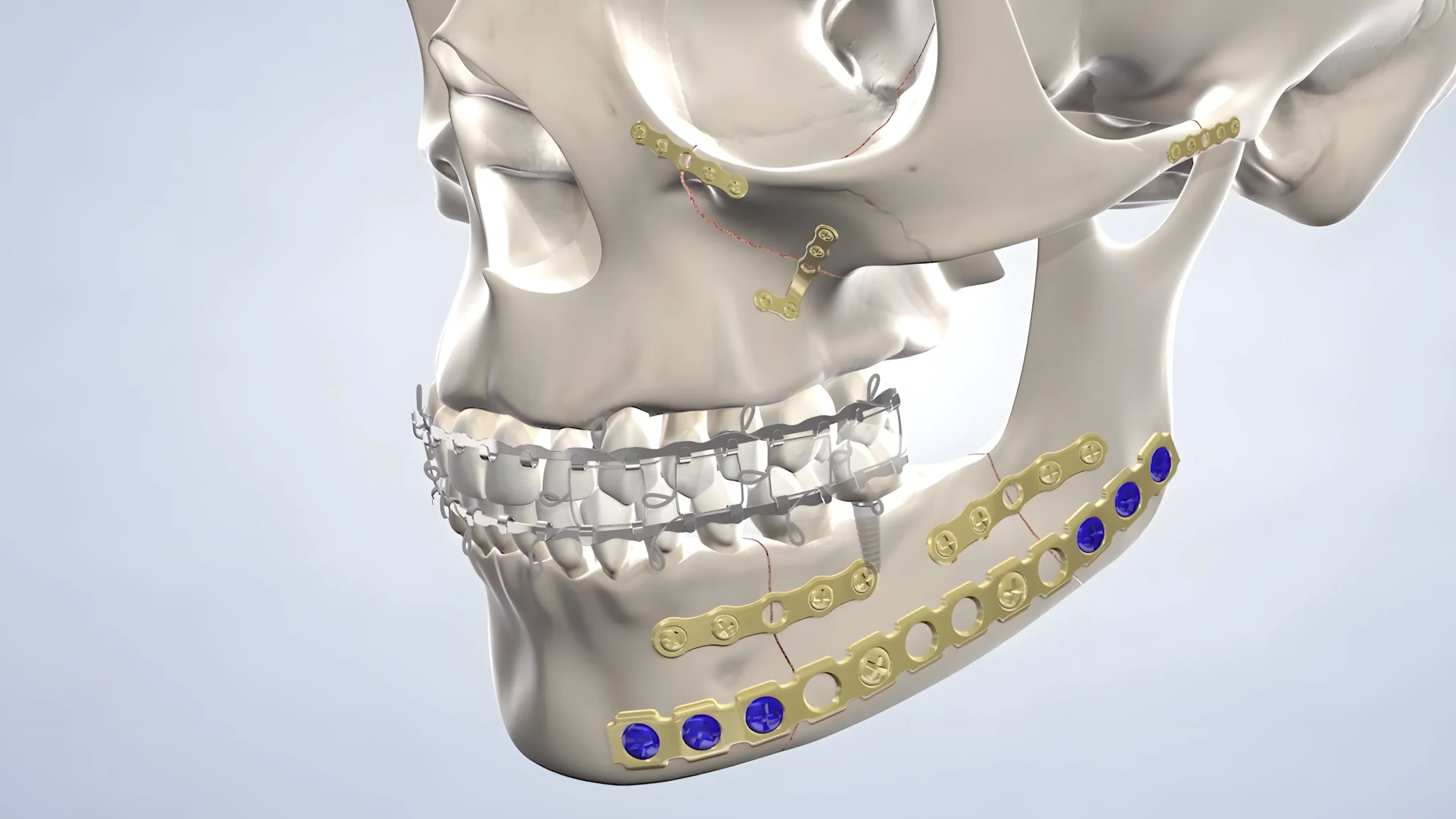
Facial trauma can affect how you bite, chew, speak, and feel day to day, along with how you look. The face holds complex bones, teeth, nerves, and soft tissues. That is why facial injuries often need specialized evaluation and treatment.
At El Paso Oral Surgery, our oral and maxillofacial surgery team evaluates and surgically treats injuries to the jaw, facial bones, teeth, and nearby oral structures. We plan each treatment carefully to restore function, support proper healing, and preserve facial balance whenever possible.
For severe facial injuries or medical emergencies, go to the nearest emergency department right away.
What Types of Facial Trauma Do We Treat?
How Is Facial Trauma Treated Based on Your Injury?
Your treatment depends on where the injury is, how severe it is, which structures are involved, and your individual needs. No two facial injuries are the same.
Oral and maxillofacial surgeons are specially trained to evaluate injuries to both the hard and soft tissues of the face and mouth, including:
Broken or Fractured Jaws
A broken jaw can change your bite, how well you open and close your mouth, and your overall facial alignment. Treatment restores the jaw’s proper position and stability so the bones can heal correctly.
Fractures of the Facial Bones
An injury may fracture different areas of the facial skeleton. A careful exam and imaging show how far the injury extends. They also help determine whether facial fracture surgery is needed to restore structure, function, and facial balance.
Injuries to the Teeth and Surrounding Bone
Facial trauma can leave teeth broken, shifted out of place, loose, or knocked out. It can also damage the bone around the teeth. Treatment depends on the type and severity of the dental injury and whether nearby facial structures were also affected.
Soft Tissue Injuries of the Mouth and Face
Cuts and other injuries to the lips, cheeks, gums, tongue, or other facial tissues may need careful treatment. Our goal is to support healing while considering both function and appearance.
What Are the Signs of a Facial or Jaw Fracture?
When Should You Have a Facial Injury Checked?
Some facial injuries are obvious right away. Others may first look like simple swelling or soreness.
Signs of a jaw or facial fracture can include:
- Significant facial pain or swelling
- Difficulty opening or closing your mouth
- A sudden change in the way your teeth fit together
- Difficulty biting or chewing
- Facial bruising or asymmetry
- Numbness of the lip, chin, cheek, or face
- Loose, broken, or displaced teeth
- Bleeding from the mouth
- Jaw movement that feels abnormal or unstable
- Visible changes in facial structure following an injury
Serious facial trauma can involve more than the teeth and jaws. Call 911 or get emergency medical care for severe bleeding, trouble breathing, or loss of consciousness. Do the same for a suspected head or neck injury, vision changes, or other possibly life-threatening symptoms.
What Should You Do If a Permanent Tooth Is Knocked Out?
Why Is a Knocked-Out Tooth Time-Sensitive?
A knocked-out permanent tooth needs prompt attention. Dentists call this an avulsed tooth.
Follow these steps:
- Hold the tooth by the crown (the top part you chew with), not the root.
- If the tooth is dirty, rinse it gently. Do not scrub it or remove any tissue attached to it.
- When possible, carefully place the permanent tooth back into its socket.
- If you can’t, keep the tooth moist in a tooth-preservation solution or milk, and get dental care immediately.
Do not try to put a knocked-out baby tooth back in.
A prompt evaluation gives your dental team the best chance to see whether the tooth can be saved. It also helps them check whether the surrounding bone or other facial structures were injured.
How Are Facial Trauma Injuries Evaluated and Treated?
How Does Careful Surgical Planning Restore Function?
Facial trauma treatment starts by finding out exactly which structures were affected. We may use a clinical exam and imaging to check your facial bones, jaws, teeth, bite, and nearby anatomy.
Depending on your injury, treatment may include stabilizing broken bones, repairing damaged tissues, treating dental injuries, or performing reconstructive procedures.
From start to finish, we focus on restoring function, alignment, stability, and facial balance. We also help you understand what to expect during treatment and recovery.