

What Bone Grafting Options Are Available?
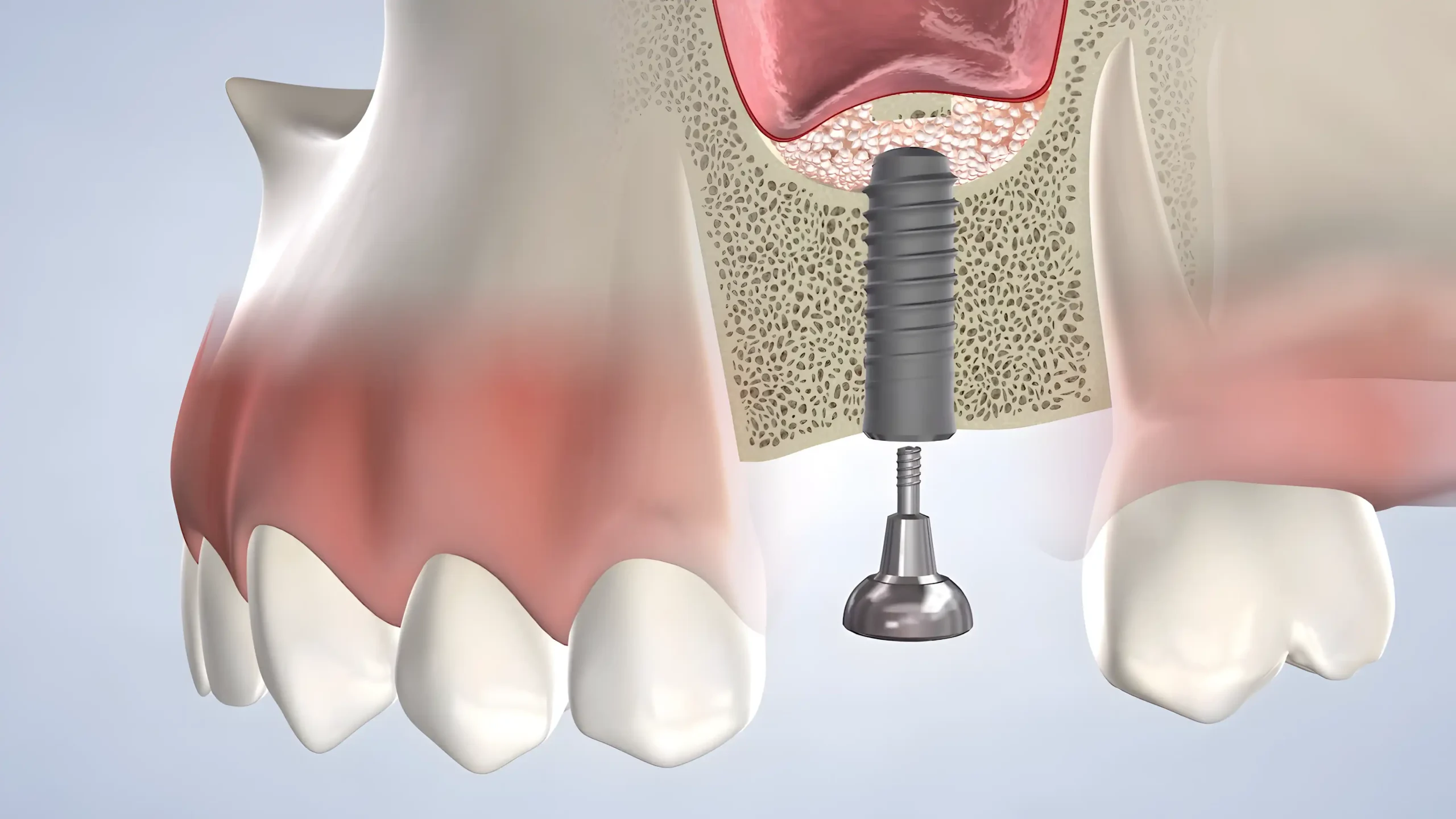
Bone grafting rebuilds areas of the jaw where bone has been lost. It helps preserve the shape of your jaw and creates a stronger foundation for future care, including dental implants.
Jawbone loss can follow tooth loss, dental infection, trauma, or other oral health conditions. If you’re worried about what that means for your smile, you’re not alone, and you have options.
At El Paso Oral Surgery, we tailor bone grafting in El Paso to your anatomy, oral health, and treatment goals. Advanced imaging and careful surgical planning help our team see where you may need more bone and which approach fits your care.
Why Would I Need a Bone Graft?
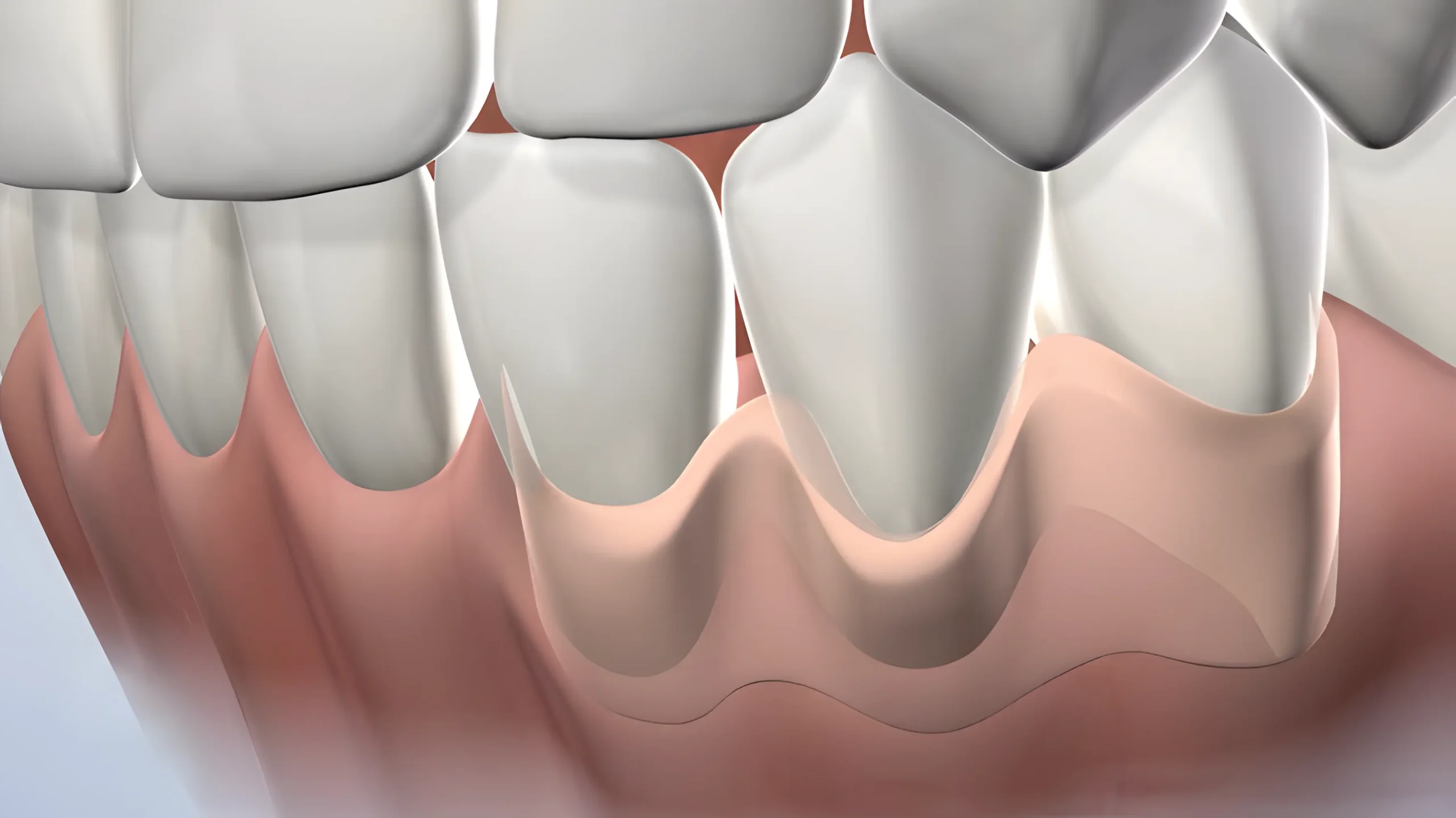
You may need a bone graft when there isn’t enough healthy jawbone to support your teeth or a dental implant. After a tooth is lost or removed, the bone that once held it can change over time.
Your surgeon may recommend a dental bone graft to:
- Preserve bone after a tooth extraction
- Rebuild bone lost after missing teeth
- Prepare the jaw for dental implant placement
- Restore bone affected by infection or periodontal (gum) disease
- Rebuild areas affected by trauma or past dental procedures
- Improve the amount or structure of bone available for future treatment
Not every dental implant patient needs bone grafting. Your oral surgery evaluation will show whether you have enough bone for an implant or whether added treatment may help.
Which Bone Grafting Procedures Do We Offer?
How Is Your Bone Graft Personalized?
Your bone graft is planned around you. The right type depends on where bone is missing, how much is missing, your anatomy, and the treatment ahead.
Socket Preservation
Socket preservation is a bone graft placed right after a tooth is removed. It helps maintain bone in the extraction site and prepares the area for a future dental implant.
Ridge Augmentation
Ridge augmentation rebuilds the jawbone when bone loss has reduced its height or width. This creates a stronger foundation for dental implant placement.
Sinus Lift
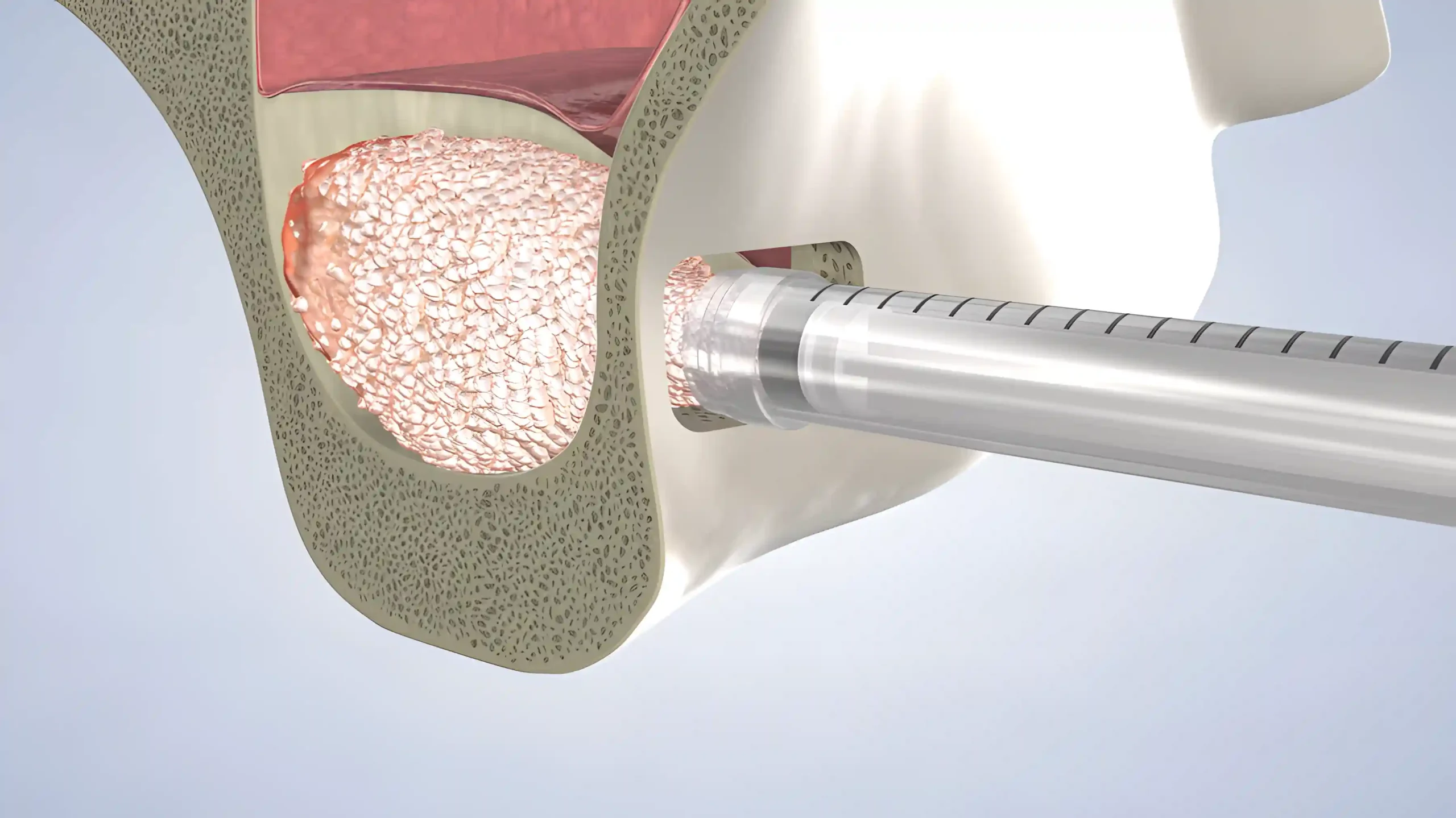
A sinus lift, also called sinus augmentation, adds bone to the back of the upper jaw. Some patients replacing teeth there don’t have enough bone between the mouth and the sinus to support an implant.
Bone Grafting for Dental Implants
When there isn’t enough healthy jawbone to securely hold a dental implant, grafting can rebuild the site. It may be done before implant placement or, in appropriate cases, at the same visit.
Soft Tissue Graft
Your surgeon will let you know during your consultation whether a soft tissue graft is part of your treatment plan.
Can I Still Get Dental Implants After Bone Loss?
Creating a Strong Foundation for Your New Smile
Often, yes. Bone loss doesn’t necessarily mean dental implants are off the table, because bone grafting may rebuild the implant site and expand your options.
Successful implant treatment starts with a healthy foundation. Implants are placed within the jawbone, so having enough bone volume and quality is a key part of treatment planning.
Our team will evaluate your jawbone and talk with you about whether grafting belongs in your personalized dental implant treatment plan.
What Can I Expect During Bone Grafting?
Your bone grafting care begins with a detailed evaluation and imaging of the treatment area. Based on your needs, your surgeon carefully places grafting material where more bone is needed to support healing and rebuilding.
Before treatment, our team will walk you through your procedure, anesthesia or sedation options, recovery expectations, and post-operative instructions. You’ll know what to expect at every step.
Healing time varies. It depends on the type and extent of your bone graft and whether more procedures are planned.
What Is BMAC and How Does It Help Healing?
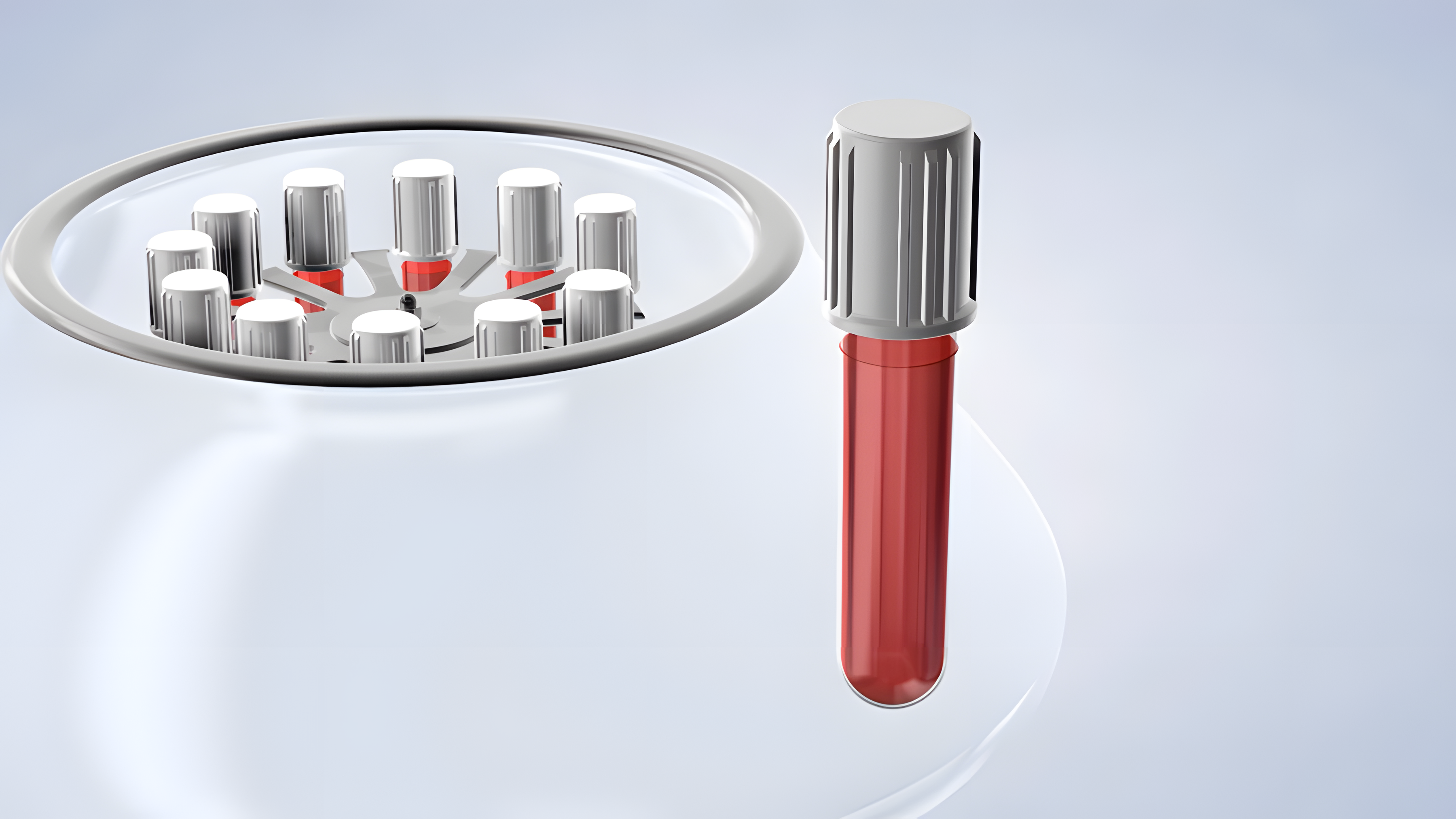
BMAC, or bone marrow aspirate concentrate, comes from your own bone marrow. It contains growth factors and anti-inflammatory proteins that promote bone and soft tissue healing.
El Paso Oral Surgery offers Harvest® BMAC treatments to reduce healing times and speed up bone regeneration. We use it for our bone grafting, bone augmentation, and dental implant patients.
Like the platelet-rich growth factor (PRGF) process, these growth factors can be collected and applied directly to the surgical site to help more bone or tissue grow. Your oral surgeon will usually place the BMAC along with the bone graft material in the area that needs new bone.
What Are the Benefits of BMAC?
- Patient safety. BMAC comes from your own body’s cells, so there’s no risk of rejecting donor tissue or artificial substances.
- Improved recovery. BMAC treatments can drastically improve healing times, even more than PRGF treatments alone.
- Support for extensive procedures. Patients needing more extensive bone procedures may find BMAC appealing because it quickly regenerates the body’s natural bone structure.
Bone Grafting FAQs
Does Every Dental Implant Patient Need a Bone Graft?
No. Not every patient receiving a dental implant needs bone grafting. During your oral surgery evaluation, our team uses advanced imaging to check whether you have enough healthy jawbone for implant placement. If you don’t, we’ll explain whether a bone graft may help and which approach fits your anatomy and treatment goals.
What Causes Bone Loss in the Jaw?
Jawbone loss can occur after tooth loss, dental infection, trauma, or other oral health conditions. When a tooth is lost or removed, the bone that once supported it can begin to change over time. Bone grafting can rebuild these areas, preserve the structure of your jaw, and create a stronger foundation for future treatment.
Can a Bone Graft Be Placed at the Same Time as a Dental Implant?
In appropriate cases, yes. If there isn’t enough healthy jawbone to securely support a dental implant, grafting may be performed before implant placement or at the same time. Your surgeon will recommend the right timing based on the location and amount of bone loss, your anatomy, and the treatment being planned.
How Long Does Healing Take After Bone Grafting?
Healing time varies for each patient. It depends on the type and extent of bone grafting performed and whether additional procedures are planned. Before treatment begins, our team will explain your recovery expectations and post-operative instructions. For some patients, Harvest® BMAC treatments may help reduce healing times and speed up bone regeneration.
Is BMAC Safe?
BMAC is derived from the cells in your own body. Because it comes from you, there is no risk of rejecting donor tissue or artificial substances. Your oral surgeon usually places BMAC along with the bone graft material in the area that needs bone regeneration, where its growth factors help promote bone and soft tissue healing.