

 Back
How Do I Protect My Sinus and Support Healing After a Sinus Lift?
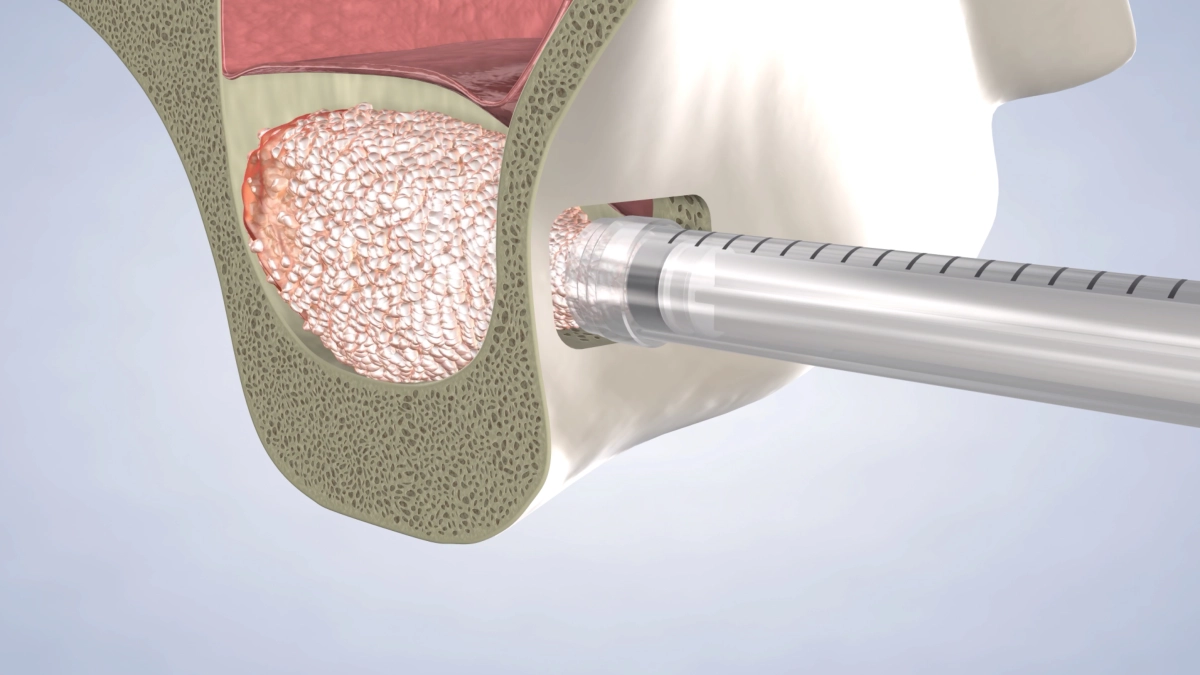
The key to sinus lift recovery is protecting the grafted area from pressure changes in your sinus. A sinus lift, also called sinus augmentation, is a bone grafting procedure that adds bone to your upper jaw. It is often done to prepare for dental implant placement.
The surgical area sits close to the maxillary sinus, the air space above your upper back teeth. That is why guarding against changes in sinus pressure matters so much while you heal.
Follow the personalized instructions your surgical team at El Paso Oral Surgery gave you. If your personal instructions differ from this general guidance, follow your surgical team’s instructions.
Protect the Surgical & Grafted Area
What Should I Do in the First 24–48 Hours After a Sinus Lift?
In the first 24–48 hours, your main job is to rest and leave the surgical site alone. Some swelling, tenderness, minor bleeding, and nasal stuffiness may occur after sinus lift surgery.
During the initial healing period:
- Do not touch or disturb the surgical site with your fingers or tongue.
- Avoid vigorous rinsing or spitting until your team tells you to begin.
- Do not use a straw or create suction in your mouth.
- Eat soft foods and chew away from the surgical area.
- Drink plenty of fluids.
- Rest and avoid strenuous activity.
- Take prescribed or recommended medications exactly as directed.
- Avoid smoking, vaping, nicotine, and tobacco products.
Do not pull on your cheek or lip to check the surgical area or stitches.
Avoid Pressure on the Healing Sinus
Which Sinus Precautions Should I Follow After Surgery?
After a sinus lift, avoid anything that builds pressure inside your nose or sinuses. Your surgical team will tell you how long to continue these precautions based on your procedure and healing.
During this period:
- Do not blow your nose.
- If you need to sneeze, sneeze with your mouth open instead of holding it in.
- Do not pinch or hold your nose when sneezing.
- Avoid straws and forceful spitting.
- Avoid activities that require forceful blowing.
- Avoid heavy lifting or straining when instructed.
- Ask your surgical team before flying, scuba diving, or doing activities with significant pressure changes.
These precautions protect the sinus membrane and the newly grafted bone while they heal.
What Is Normal After a Sinus Lift?
How Much Swelling and Discomfort Should I Expect After a Sinus Lift?
Some facial swelling, tenderness, bruising, and pressure or congestion around the sinus area are normal after surgery. These are expected parts of healing.
Use cold packs on the outside of your face during early recovery as your surgical team directs. Always place a barrier, such as a thin cloth, between the cold pack and your skin.
Take pain medication only as your surgical team or the medication label instructs.
If you were prescribed an antibiotic, nasal spray, decongestant, or other medication, take or use it exactly as directed. Before starting any over-the-counter medication for your sinus lift, check with us that it is right for you.
Choose Soft Foods & Protect the Graft
What Can I Eat After Sinus Lift Surgery?
After a sinus lift, eat soft foods that need little chewing during early recovery.
Good options may include:
- Yogurt
- Applesauce
- Eggs
- Mashed potatoes
- Cottage cheese
- Soft pasta
- Smooth soups that are not too hot
- Smoothies eaten with a spoon
Avoid hard, crunchy, sticky, sharp, or seeded foods that could irritate the surgical site. Chew on the opposite side of your mouth whenever possible. Do not drink through a straw.
How Do I Care for My Mouth in the Days After a Sinus Lift?
Do not rinse or spit on the day of your surgery. Rinsing and spitting can disturb the blood clot and open the wound. This can prolong bleeding and slow healing.
You should not have a large amount of blood in your mouth. You can swallow your saliva, even if it is slightly tinged with blood.
Keeping your mouth clean after surgery is essential to lower your risk of infection. Unless your surgical team tells you otherwise, start saltwater rinses the day after your procedure.
To make and use the rinse:
- Dissolve ½ teaspoon of salt in an 8-ounce glass of warm water.
- Rinse gently with small portions, taking 5 minutes to use the entire glass.
- Repeat as often as you like, but at least 4–5 times daily and always after eating for the next 5 days.
Do not brush the teeth in the area of surgery for 48 hours. When you do brush, be very gentle. Be gentle when you spit, too.
We may prescribe an antibiotic rinse after certain procedures. Use it in the morning and at bedtime after your routine mouth care. Do not eat, drink, or rinse your mouth after using the medicated rinse.
Using this rinse more than 2 times a day will stain your teeth.
How Do I Brush and Rinse Safely After a Sinus Lift?
Keep Your Mouth Clean Without Disturbing the Surgical Site
You can keep brushing your other teeth carefully, but avoid brushing or disturbing the surgical area during early healing.
Begin gentle warm saltwater rinses when your surgical team instructs you to, following the rinse steps above. If you were prescribed a medicated mouth rinse, use it exactly as directed.
Avoid forceful swishing or spitting. These actions can create unwanted pressure around the healing area.
When Can I Smoke After a Sinus Lift?
Do not smoke for at least 2 weeks after surgery, if at all. Smoking dramatically increases the risk of bone graft and sinus augmentation failure.
How Do Smoking and Vaping Affect Sinus Lift Healing?
Smoking, vaping, nicotine, and tobacco products can interfere with your body’s natural healing process. They may also harm the success of your bone graft and future dental implant treatment.
Avoid these products during your recovery and follow your surgical team’s specific recommendations.
When Should I Contact El Paso Oral Surgery?
Call our office if you notice any of these signs during your sinus lift recovery:
- Heavy or persistent bleeding
- Severe or worsening pain
- Swelling that becomes concerning or unexpectedly worsens
- Fever or other signs of possible infection
- Persistent nausea or vomiting that keeps you from staying hydrated
- A concerning reaction to medication
- Significant or persistent nasal bleeding
- An unexpected passage of fluid between your mouth and nose
- Air moving through the surgical site when breathing
- Graft material that appears to come from your nose
- Any other change in your recovery that concerns you
For difficulty breathing, severe swelling affecting your airway, uncontrolled bleeding, or another medical emergency, call 911 or seek immediate emergency care.