

 Back
How to Care for Your Surgical Site After Impacted Canine Surgery
How Do I Care for My Mouth After Impacted Canine Exposure?
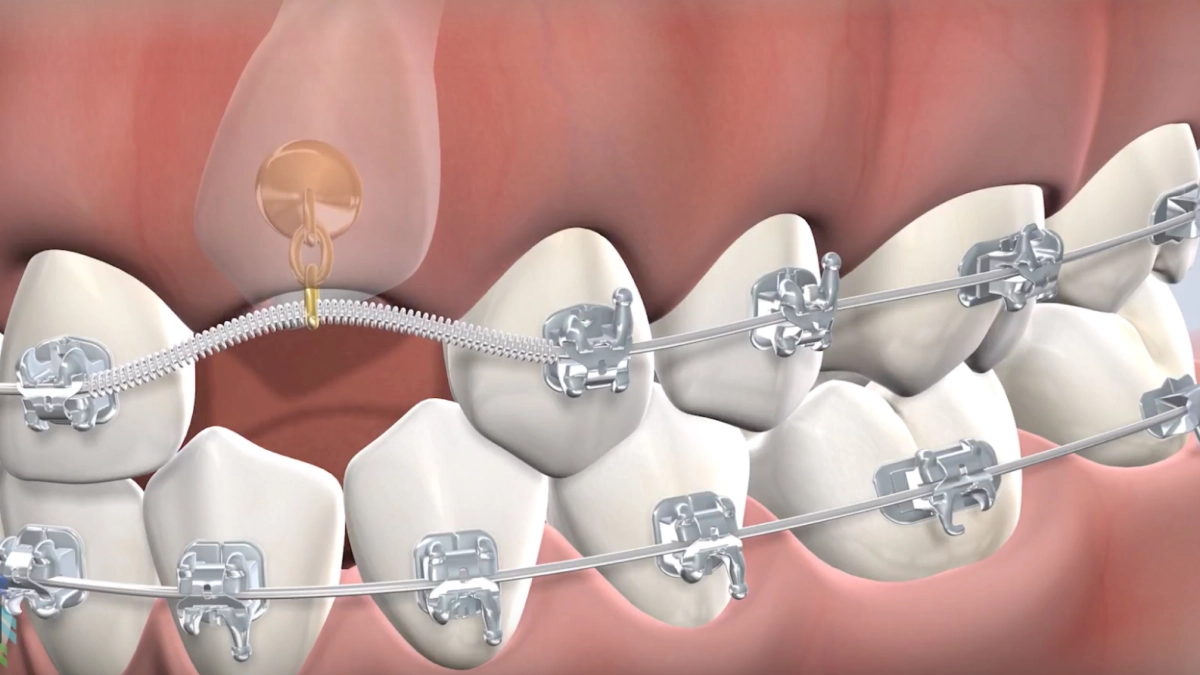
Gentle, careful aftercare protects the surgical site and supports a healthy, predictable recovery after impacted canine exposure and bonding. During this procedure, your surgeon uncovers the impacted tooth. When appropriate, a small orthodontic attachment is placed to help guide the tooth into its proper position.
Your surgical team at El Paso Oral Surgery will give you personalized instructions. If those instructions differ from the general guidance below, always follow the directions given directly to you.
Caring for a teen after surgery? Keep this page handy so the whole family can follow the same steps at home.
How Do I Protect the Surgical Site?
What Should I Do in the First 24 Hours After Surgery?
Leave the surgical area as undisturbed as possible while it begins to heal. This includes the orthodontic attachment and any packing or stitches (sutures).
- Do not touch the surgical area with your fingers or tongue.
- Do not pull on the lip or cheek to inspect the surgical site.
- If surgical packing was placed, leave it in place unless instructed otherwise.
- Do not vigorously rinse or spit during the initial healing period.
- Avoid using straws or creating suction in your mouth.
- Drink plenty of fluids and choose soft foods.
- Rest and avoid strenuous physical activity.
- Take prescribed or recommended medications exactly as directed.
- Avoid smoking, vaping, nicotine, and tobacco products.
If surgical packing becomes loose or falls out, do not try to replace it yourself. Follow the instructions from your surgical team, or contact our office if you are unsure what to do.
What Is Normal During Impacted Tooth Exposure Recovery?
How Can I Manage Pain and Swelling After Impacted Canine Surgery?
Some swelling, tenderness, minor bleeding, and soreness are common after impacted tooth exposure. These are normal parts of healing.
You may use cold packs on the outside of your face during the initial recovery period, as directed by your surgical team. Always place a cloth or other barrier between the cold pack and your skin.
Take pain medication only as instructed by your surgical team or the medication label. Contact our office if pain becomes severe, suddenly gets worse, or is not improving as expected.
How Do I Protect the Bracket and Chain?
How Do I Care for the Orthodontic Attachment?
If a bracket and orthodontic chain were attached to your impacted canine during surgery, take special care not to disturb them.
Do not pull, twist, or play with the chain or attachment using your tongue or fingers. Be especially careful around the surgical area when you brush and eat.
If the chain or bracket becomes loose, breaks, or seems to come off the tooth, contact your oral surgeon or orthodontist for guidance. Do not try to reposition or reattach it yourself.
What Should I Eat After Impacted Canine Exposure?
Which Soft Foods Are Best During Early Healing?
For the first several days, choose soft foods that need very little chewing. Good options may include:
- Yogurt
- Applesauce
- Eggs
- Mashed potatoes
- Cottage cheese
- Soft pasta
- Smooth soups that are not excessively hot
- Smoothies eaten with a spoon
Avoid hard, crunchy, sticky, sharp, or chewy foods that could irritate the surgical site or catch on the orthodontic attachment.
Chew away from the surgical area whenever possible and gradually return to your normal diet as healing allows.
How Do I Keep My Mouth Clean Without Disturbing the Surgical Area?
How Should I Brush and Rinse After Exposure and Bonding?
Keeping your mouth clean supports healthy healing, but the surgical site needs a gentle touch.
Keep brushing the rest of your teeth carefully. Avoid bumping or scrubbing the surgical area, bracket, chain, or stitches.
When your surgical team tells you to start, use gentle warm saltwater rinses, especially after meals. If you were prescribed a medicated mouth rinse, use it exactly as directed.
Avoid hard swishing, forceful spitting, or a pressurized water flosser around the surgical site unless you are specifically told otherwise.
What Happens Next in Bringing the Impacted Canine Into Position?
How Does My Orthodontist Continue Treatment?
Exposure and bonding is usually one part of a coordinated treatment plan between your oral surgeon and your orthodontist.
Once the surgical site has had time to heal, your orthodontist can continue treatment. They gradually apply controlled orthodontic pressure to guide the impacted canine into its intended position.
Keep all scheduled follow-up appointments with both your oral surgery and orthodontic teams. Do not adjust, pull, or activate the orthodontic chain yourself.
When Should I Contact El Paso Oral Surgery?
Call our office if you notice any of the following:
- Heavy or persistent bleeding
- Severe or worsening pain
- Swelling that becomes concerning or unexpectedly worsens
- Fever or other signs of possible infection
- Persistent nausea or vomiting that prevents hydration
- A concerning reaction to medication
- Sutures that open unexpectedly
- An orthodontic bracket or chain that becomes loose or detached
- Concerns about surgical packing
- Any other change in your recovery that concerns you
Call 911 or seek emergency care right away for difficulty breathing, severe swelling that affects your airway, bleeding you cannot control, or any other medical emergency.