

 Back
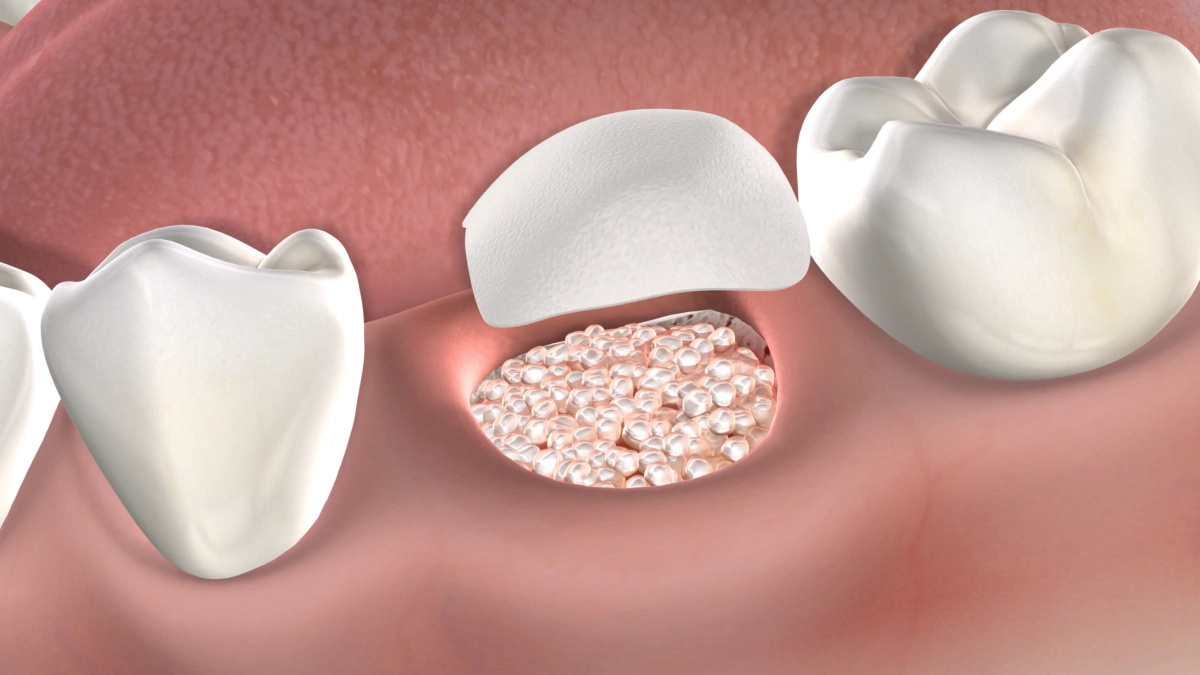
Good dental bone graft aftercare protects the graft material and helps the surgical area heal. A bone graft may be placed after a tooth extraction, to preserve your jawbone, or to build enough bone for a future dental implant.
Always follow the personal instructions from your surgical team at El Paso Oral Surgery. If those instructions differ from the general guidance below, follow the directions given to you.
How Do I Protect My Bone Graft Site?
What Should I Do in the First 24–48 Hours After a Bone Graft?
Follow these steps to protect your bone graft:
- Do not touch the surgical site with your fingers or tongue.
- Do not pull on your lip or cheek to look at the graft or sutures.
- Do not rinse hard or spit until your surgical team tells you to start.
- Do not use a straw or create suction in your mouth.
- Do not chew directly over the bone graft.
- Rest and avoid hard physical activity.
- Take prescribed or recommended medications exactly as directed.
- Avoid smoking, vaping, nicotine, and tobacco products.
You may notice small, sand-like grains in your mouth during the first several days. A small amount of graft material can sometimes work its way out of the site. This does not always mean the graft has failed.
Still, do not touch the graft material or try to move it back into place yourself.
What Is Normal After a Bone Graft?
What Bleeding and Swelling Should I Expect After a Bone Graft?
Some swelling, tenderness, bruising, and minor bleeding are expected after oral bone graft surgery.
You may use cold packs on the outside of your face during early recovery, as directed by your surgical team. Always place a cloth or other barrier between the cold pack and your skin.
Take pain medication only as instructed by your surgical team or the medication label.
Contact our office if:
- Bleeding is heavy or does not stop.
- Swelling becomes concerning.
- Discomfort gets much worse instead of slowly improving.
Eat Soft Foods and Chew Away From the Graft Site
What Can I Eat After a Dental Bone Graft?
In the early stages of bone graft recovery, choose soft foods that need very little chewing.
Good options may include:
- Yogurt
- Applesauce
- Eggs
- Mashed potatoes
- Cottage cheese
- Soft pasta
- Smooth soups that are not too hot
- Smoothies eaten with a spoon
Avoid hard, crunchy, sticky, sharp, or seeded foods. These can disturb the graft or get trapped around the surgical area.
Chew away from the graft site whenever possible. Return to your regular diet slowly, as directed.
How Do I Keep My Bone Graft Clean Without Disturbing It?
How Should I Brush and Rinse After Bone Grafting?
Keep your mouth clean, but treat the grafted area very gently. Good oral hygiene supports healing.
Keep brushing and flossing the rest of your mouth. Avoid direct contact with the surgical site, and do not brush hard over the graft or sutures.
When your surgical team says it is time, you may start gentle warm saltwater rinses. If you were prescribed a medicated mouth rinse, use it exactly as directed.
Do not use a Waterpik or other pressurized water flosser (oral irrigator) directly around the graft unless your surgical team has told you to.
Can I Smoke or Vape After a Bone Graft?
No. Avoid smoking, vaping, nicotine, and tobacco products during recovery.
These products can interfere with blood flow and your body’s natural healing process. This can affect healing after dental bone graft surgery. Follow your surgical team’s specific advice.
What Should I Know About Sutures After Bone Grafting?
Depending on your procedure, sutures (stitches) may be placed to help protect the grafted area.
Do not pull your cheek or lip to check the sutures. This puts unneeded strain on the surgical site.
Some sutures dissolve on their own. Others may need to be removed at a follow-up visit. Your surgical team will tell you what to expect based on the type of sutures used.
When Should I Contact El Paso Oral Surgery?
Contact our office if you have:
- Heavy or ongoing bleeding
- Severe or worsening pain
- Swelling that becomes concerning or gets worse without warning
- Fever or other signs of possible infection
- Ongoing nausea or vomiting that keeps you from staying hydrated
- A concerning reaction to medication
- An opening at the surgical site or a concern about your sutures
- A large amount of graft material coming from the surgical area
- Any other change in your recovery that worries you
For trouble breathing, severe swelling that affects your airway, bleeding that won’t stop, or another medical emergency, call 911 or get emergency care right away.